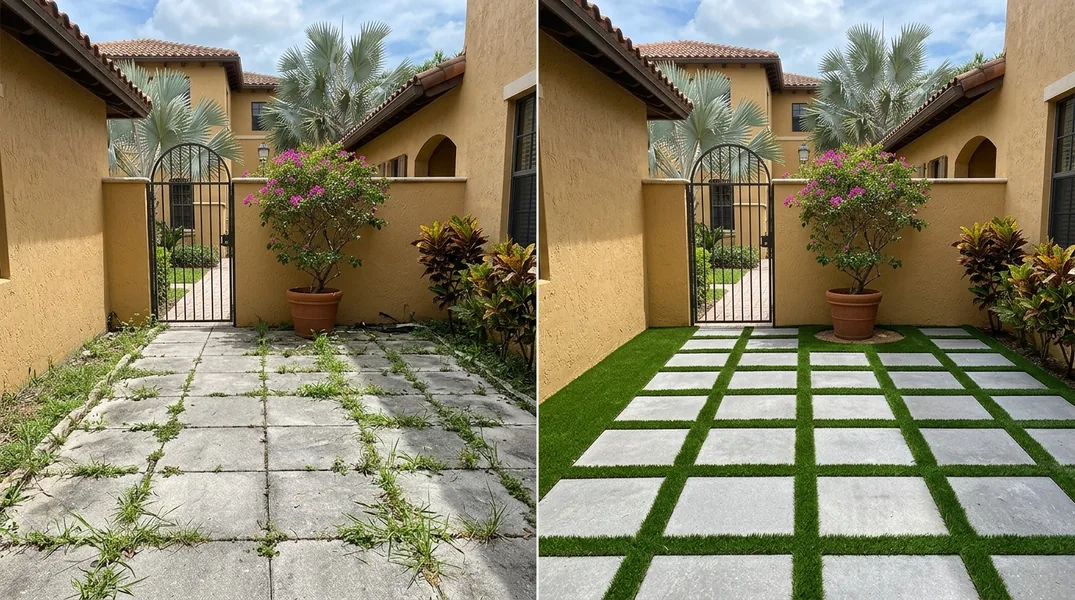
Understanding Florida's Updated Synthetic Turf Regulations for 2026
In 2026, Florida introduced updated regulations governing the use of synthetic turf in residential properties, particularly affecting homeowners associations (HOAs) and individual homeowners across the state. These changes were designed to address environmental concerns, water conservation goals, and aesthetic standards that had evolved over the previous decade. For residents in Miami and surrounding areas, understanding these new rules is essential whether you're planning a landscape upgrade or working within HOA guidelines.
The regulation updates primarily focus on the quality standards for synthetic turf products, installation requirements, and specific rules about where artificial grass can be installed on residential properties. Florida's Department of Environmental Protection worked with industry experts and homeowner associations to create standards that balance the benefits of water conservation with concerns about product durability and environmental impact. These new guidelines now require that any synthetic turf installation meets specific criteria regarding material composition, drainage systems, and long-term maintenance protocols. For homeowners considering Residential Artificial Grass Installation, it's important to work with installers who are fully compliant with these updated 2026 standards.
How the New Rules Impact Front Yard Artificial Grass in Miami
One of the most significant changes in the 2026 regulations involves front yard artificial grass installations. Previously, many HOAs had varying standards about whether synthetic turf was even permitted in front yards, leading to confusion and inconsistent enforcement. The new rules establish clearer guidelines that actually make it easier for homeowners to install quality artificial grass in their front yards, provided the materials and installation meet the updated specifications. This is particularly beneficial for Miami residents, where water conservation is a growing concern and many neighborhoods are looking for sustainable landscaping solutions.
The regulations now require that front yard artificial grass installations use products with specific UV resistance ratings, proper infill materials that don't contribute to environmental runoff, and installation methods that include adequate drainage systems. HOAs must now document their approval process and provide homeowners with clear written standards if they choose to restrict or require specific types of synthetic turf. This transparency protects both homeowners and associations from disputes down the road. If your HOA previously rejected artificial grass for your front yard, the 2026 rules may have changed that situation, and it's worth revisiting your HOA's policies to see if they've been updated to reflect the new state guidelines.
Artificial Grass HOA Approval: What You Need to Know
Navigating artificial grass HOA approval has historically been one of the biggest hurdles for homeowners wanting to install synthetic turf. The 2026 regulations have introduced a standardized framework that HOAs must follow, which actually simplifies the approval process in many cases. HOAs can no longer reject artificial grass simply based on appearance preferences; instead, they must justify any restrictions based on specific, documented standards that relate to the 2026 state regulations. This shift represents a major win for homeowners who see artificial grass as a practical, water-conscious landscaping choice.
Under the new rules, HOAs are required to maintain written guidelines that specify which types of synthetic turf materials are acceptable, what installation methods must be used, and what maintenance standards apply. If your HOA board hasn't yet updated their policies to align with the 2026 regulations, this could be an opportunity to request a review of your artificial grass proposal. Many HOAs in the Miami area are still in the process of updating their documentation, so if you've been waiting to move forward with a project, now is an excellent time to reach out to your board. When submitting an artificial grass proposal to your HOA, make sure your installer is familiar with the 2026 compliance standards and can provide documentation that your project meets all state requirements. Miami Turf Installation can help you navigate this process and ensure your installation passes HOA inspection on the first attempt. Contact us at (786) 744-5371 to discuss your specific HOA situation.
Compliance Requirements for Synthetic Turf Installation Near Me
If you're searching for synthetic turf installation near your home, understanding the 2026 compliance requirements is crucial before hiring a contractor. The new regulations specify that installers must use infill materials that meet environmental standards, install proper drainage systems to prevent water pooling, and use backing materials that won't degrade prematurely in Florida's humid climate. Not all artificial grass installers are equally knowledgeable about these updated requirements, so it's important to choose a company that stays current with state regulations and can provide proof of compliance.
Professional installers like Miami Turf Installation are trained on the latest 2026 standards and understand exactly what documentation and materials are required for a compliant installation. The new rules also specify that installers should provide homeowners with care instructions tailored to Florida's climate and should use turf products that have been tested for performance in high-heat, high-humidity environments. When you're evaluating contractors for your Residential Artificial Grass Installation project, ask about their familiarity with the 2026 regulations and request references from recent projects that passed HOA inspection. A reputable installer will be transparent about compliance requirements and won't cut corners on materials or installation methods just to reduce costs.
Residential Artificial Grass Installation Cost in Miami: What to Budget
The 2026 compliance standards have had an impact on the overall cost of artificial grass installations because they now require higher-quality materials and more rigorous installation methods. Homeowners should budget for the fact that compliant synthetic turf products tend to be more durable and better suited to Florida's climate than cheaper alternatives, which means your investment will last longer and require less maintenance over time. The pricing for a compliant installation in Miami typically ranges depending on yard size, soil conditions, and the specific turf product selected. While the upfront cost may be slightly higher than non-compliant options, the long-term savings in water bills and reduced maintenance make it a smart investment.
When comparing quotes from different installers, make sure you're comparing apples to apples by verifying that all proposals include compliant materials, proper drainage installation, and warranty coverage. Some contractors may offer lower prices by using substandard materials or installation methods that don't meet the 2026 standards, which could result in HOA rejection or premature turf failure. Miami Turf Installation provides transparent pricing that reflects the quality and compliance standards required by current Florida regulations. We can provide a detailed free estimate for your specific project, breaking down material costs, installation labor, and any HOA-related requirements. Call us at (786) 744-5371 to get started.
Beyond Front Yards: Other Artificial Grass Applications Under the New Rules
While much of the discussion around the 2026 regulations focuses on front yard installations, the new standards also apply to other residential artificial grass applications. Pet Turf & Dog Run Installation has become increasingly popular in Miami, and the 2026 rules now include specific standards for pet-friendly synthetic turf to ensure it's safe for animals and easy to maintain. These standards address infill materials that won't harm pets, proper drainage to manage urine and waste, and turf backing that resists bacterial growth in humid Florida conditions.
Homeowners interested in other applications like Pool Surround Turf or Putting Green Installation should also be aware that these projects now fall under the 2026 compliance framework. Pool surround installations must meet specific drainage and safety standards, while putting greens require materials that provide proper ball roll characteristics while maintaining durability. Whether you're planning a multi-application landscape project or focusing on a single area of your yard, working with an installer who understands how the 2026 rules apply to your specific project type is essential. Miami Turf Installation has experience with all these applications and can ensure your entire project meets current state standards while satisfying any HOA requirements.
Looking for a professional artificial grass installation company in Miami? Miami Turf Installation responds fast for all your artificial grass installation needs.
Get a Free Quote